Introduction
Spend a few hours outdoors in the UAE on a windy afternoon and you will notice it immediately. Fine dust settles on cars, windows, and building surfaces within minutes. Those same particles do not stay outside. They are constantly drawn into ventilation systems through air intakes and mechanical cooling units.
That reality makes air filtration far more important in the UAE than in many other parts of the world. Buildings depend heavily on mechanical cooling, and most HVAC systems operate almost continuously throughout the year.
Without proper filtration, dust and airborne particles circulate through indoor environments and accumulate inside mechanical equipment. This affects indoor air quality, HVAC performance, and long-term maintenance costs. For facility managers and building operators, choosing reliable air filters UAE facilities depend on is not simply a maintenance task. It is a key part of protecting both indoor environments and HVAC systems operating in demanding desert conditions.
Understanding the UAE Climate and Its Impact on Air Quality
The UAE sits within a desert climate zone where airborne dust is part of the natural environment. Wind movement across dry terrain lifts large amounts of fine sand and mineral particles into the atmosphere, where they can travel long distances.
During certain weather conditions, dust levels increase significantly. Monitoring reports from the National Center of Meteorology show that seasonal wind patterns regularly transport dust across the region, affecting visibility and air quality.
These airborne particles vary in size, but many fall into the PM10 and PM2.5 categories commonly used in air quality research. According to the World Health Organization, these fine particles can remain suspended in the air for extended periods and easily enter indoor environments through ventilation systems.
In practical terms, this means buildings in the region are constantly exposed to airborne particulate matter. Without adequate filtration, these particles circulate through indoor spaces and accumulate within HVAC components.
This is why selecting air filters for UAE climate conditions requires a different approach compared with filtration used in milder regions.
Why HVAC Systems in the UAE Depend on High-Quality Filtration
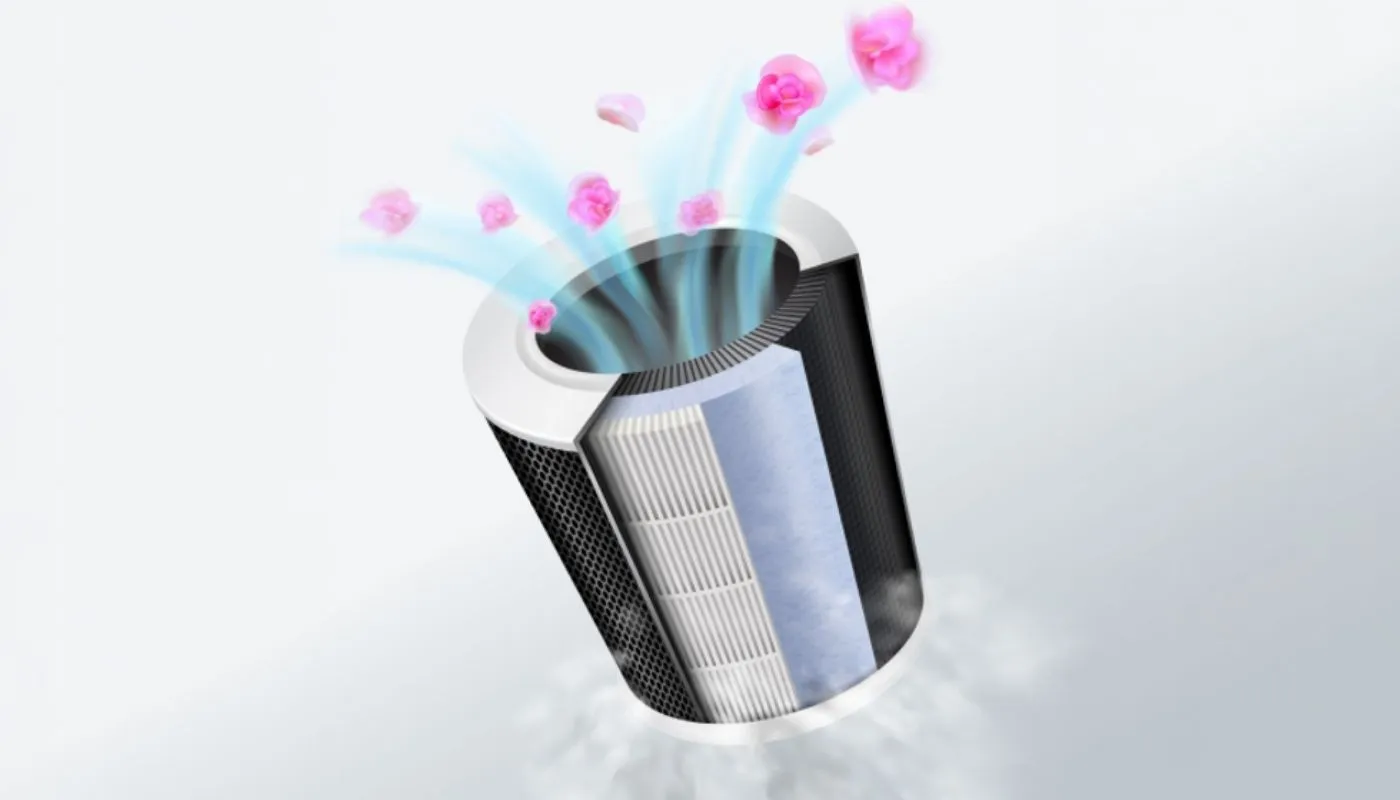
HVAC systems in the UAE rarely get a break. Cooling systems operate for most of the year, especially in offices, hotels, hospitals, and commercial buildings where indoor temperatures must remain stable.
That constant operation creates pressure on ventilation systems.
- Dust accumulates faster.
- Filters load more quickly.
- Cooling coils lose efficiency.
Over time, poor filtration can lead to several operational problems:
Clogged airflow pathways
When filters fail to capture airborne particles effectively, dust settles on coils, fans, and duct surfaces. This buildup restricts airflow through the system.
Reduced cooling efficiency
Dust-covered cooling coils transfer heat less effectively, forcing the HVAC system to work harder to maintain indoor temperatures.
Higher energy consumption
According to engineering guidance from the American Society of Heating, Refrigerating and Air-Conditioning Engineers, increased pressure drop across ventilation components forces fans to consume more energy to maintain airflow.
Greater maintenance requirements
Dust accumulation inside equipment often leads to more frequent servicing and cleaning.
For building operators, using high-quality HVAC filters UAE facilities depend on is one of the most effective ways to protect mechanical systems and maintain consistent cooling performance.
The Role of Dust Filtration in Protecting Buildings and Equipment
In desert environments, dust is more than just a cleaning issue. It becomes an operational challenge for large buildings and critical facilities.
Even modern buildings with well-sealed envelopes are constantly exposed to airborne particles through ventilation systems and air intake units. Over time, these particles accumulate inside air handling equipment and indoor environments.
Effective dust filtration UAE systems help address several important concerns.
Maintaining indoor air quality
Air filtration removes suspended particles before they circulate through occupied spaces such as offices, retail environments, or healthcare facilities.
Protecting sensitive equipment
Facilities like data centers, laboratories, and medical buildings rely on extremely clean indoor air. Dust contamination can affect electronics, sensors, and specialized equipment.
Reducing maintenance cycles
Proper filtration prevents large quantities of dust from settling inside HVAC components, reducing cleaning frequency and extending equipment life.
Large facilities such as shopping malls, airports, and logistics hubs move enormous volumes of air through their ventilation systems every hour. Without effective filtration, dust buildup can quickly compromise both indoor comfort and mechanical performance.
Industrial Air Filters for Demanding Environments
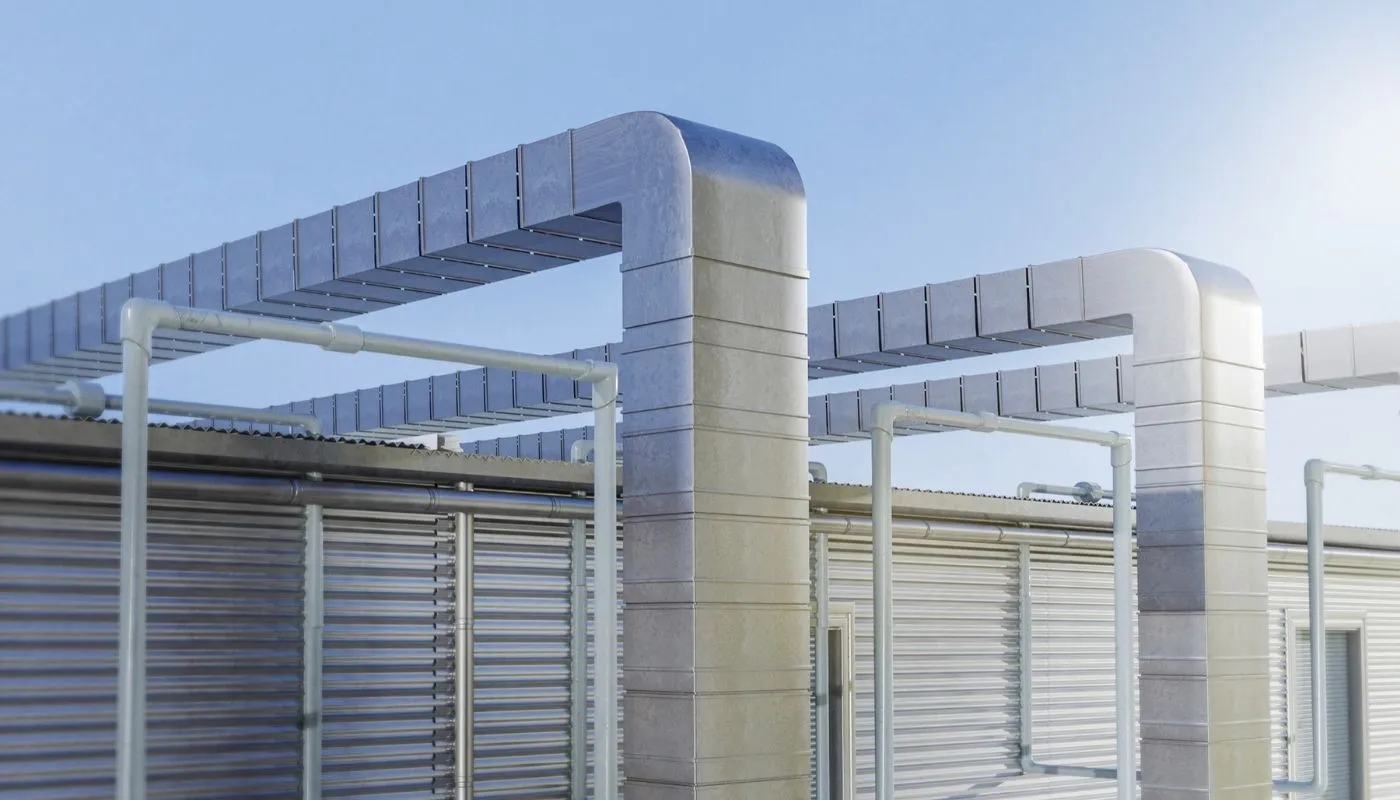
While standard commercial buildings require reliable filtration, industrial facilities often face even greater challenges. Manufacturing processes, material handling operations, and industrial activity can introduce additional airborne contaminants.
This is where specialized industrial air filters become essential.
Industrial filtration systems are commonly used in sectors such as:
Manufacturing plants
Production processes can generate fine particulate matter that must be captured before it spreads through ventilation systems.
Healthcare facilities
Hospitals require controlled air quality environments to protect patients and support infection control.
Data centers
Electronic equipment is sensitive to dust contamination, which can reduce cooling efficiency and affect operational reliability.
Warehouses and logistics centers
Large industrial buildings located in dusty environments are particularly vulnerable to outdoor particle infiltration.
In these environments, filtration systems must offer high efficiency, strong dust holding capacity, and long operating life under heavy particle loads.
Choosing the Right Air Filters for UAE Conditions
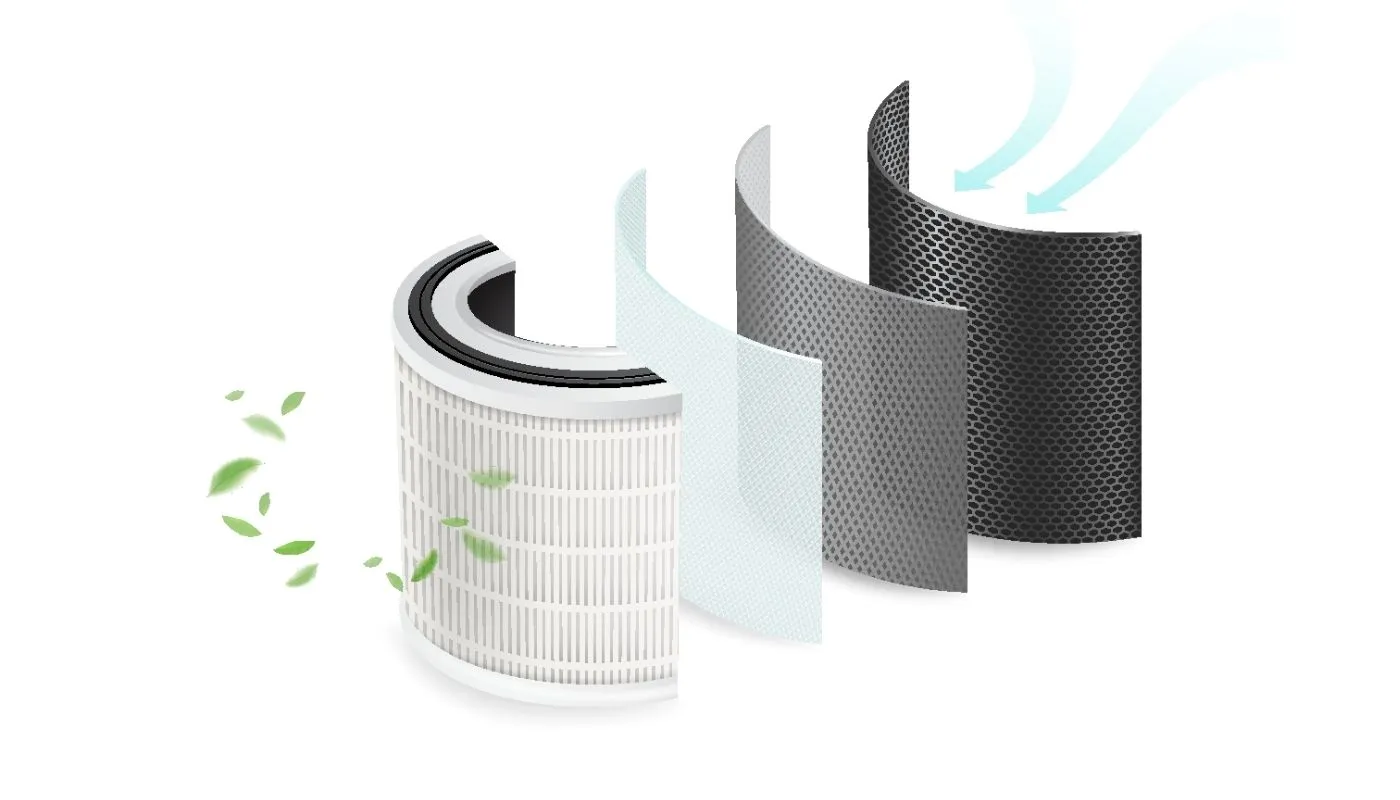
Selecting the right filtration solution involves more than simply replacing filters when they appear dirty. The environmental conditions in the UAE demand careful consideration of filter performance and durability.
Several factors should guide filter selection.
Filtration efficiency
Filters must effectively capture fine particulate matter commonly present in desert air.
Dust holding capacity
Because airborne particle levels are high, filters should be capable of holding significant amounts of dust without quickly restricting airflow.
Energy performance
Filters should balance particle capture efficiency with low pressure drop to maintain efficient airflow.
Compliance with filtration standards
Modern filter performance is commonly evaluated using the ISO 16890 framework. This system classifies filters based on their efficiency in capturing particulate matter fractions such as PM1, PM2.5, and PM10.
Compatibility with HVAC systems
Filters must match the design specifications of air handling units and ventilation systems to ensure proper airflow and filtration performance.
For facilities across the region, selecting reliable air filters UAE buildings depend on often requires working with suppliers who understand both HVAC engineering requirements and local environmental conditions.
Conclusion
Operating buildings in desert climates presents challenges that many facilities in other regions rarely encounter. Dust infiltration, extreme heat, and continuous HVAC operation place heavy demands on ventilation systems.
Filtration becomes a frontline defense.
High-quality filters help maintain indoor air quality, protect HVAC equipment, and reduce the operational strain caused by airborne dust. When filtration systems perform well, cooling systems operate more efficiently and maintenance cycles become more predictable.
For facility managers, engineers, and procurement teams, selecting the right filtration solution is part of keeping an entire building operating reliably.
Businesses looking for dependable air filters UAE suppliers often work with experienced providers familiar with regional environmental conditions and HVAC requirements. Companies such as ABM General Trading support facilities across the UAE with filtration solutions designed specifically for these demanding environments.
Disclaimer
This article is provided for informational purposes only. Environmental conditions, HVAC system configurations, and filtration requirements may vary depending on building design and operational conditions. Facility managers and engineers should consult qualified HVAC professionals and filtration specialists when selecting air filtration solutions.
Sources & References
American Society of Heating, Refrigerating and Air-Conditioning Engineers (ASHRAE)
https://www.ashrae.org
World Health Organization – Air Quality Guidelines
https://www.who.int
ISO 16890 Air Filter Testing Standard
https://www.iso.org/standard/65263.html
UAE National Center of Meteorology – Climate and Dust Storm Reports
https://www.ncm.ae
ASHRAE Handbook – HVAC Systems and Equipment
Camfil Filtration Research and Air Quality Studies
https://www.camfil.com
European Committee for Standardization – EN779 Air Filter Standard Documentation
FAQ
1. What happens if low-quality air filters are used in the UAE?
Low-quality filters struggle to handle the heavy dust load common in the UAE’s desert environment. When filtration efficiency is low, fine sand and airborne particles pass through the filter and accumulate inside HVAC components such as cooling coils, fans, and ducts.
Over time, this buildup restricts airflow and reduces cooling efficiency. The HVAC system has to work harder to maintain indoor temperatures, which increases energy consumption and leads to more frequent maintenance. In high-dust environments like the UAE, poor filtration can significantly shorten the lifespan of HVAC equipment.
2. Which type of air filters work best in hot and dusty environments?
Hot and dusty environments require filters designed for high dust loads and consistent airflow. Filters that perform well in these conditions typically have strong dust-holding capacity and are tested under international filtration standards such as ISO 16890.
In many commercial buildings, multi-stage filtration systems are used. A coarse pre-filter captures larger dust particles first, followed by a higher-efficiency filter that removes finer particulate matter. This approach helps extend filter life while maintaining effective air cleaning in harsh environments.
3. How often should air filters be replaced in the UAE?
Filter replacement schedules depend on building usage, HVAC system design, and environmental conditions. However, because of the high levels of airborne dust in the region, filters in the UAE often require more frequent inspection and replacement than those used in milder climates.
Many facilities inspect filters monthly and replace them every one to three months, particularly in high-traffic commercial buildings or during periods of increased dust activity. Regular monitoring ensures that filters continue to perform effectively without restricting airflow.
4. Do high-quality air filters reduce HVAC maintenance costs?
Yes. High-quality filtration helps prevent dust and airborne particles from entering HVAC components. When filters capture contaminants effectively, less dust accumulates on cooling coils, fans, and internal duct surfaces.
According to guidance from the American Society of Heating, Refrigerating and Air-Conditioning Engineers, proper filtration improves system airflow and reduces the likelihood of component contamination. Over time, this can lower maintenance requirements, reduce cleaning cycles, and extend the operational life of HVAC equipment.
5. Can air filters improve indoor air quality during sandstorms?
Yes, properly designed filtration systems can significantly improve indoor air quality during sandstorms. High-efficiency filters capture a large portion of the airborne particles that enter ventilation systems when outdoor dust levels rise.
While filtration cannot eliminate every airborne particle, well-maintained HVAC filters reduce the amount of dust circulating indoors and help maintain cleaner air inside buildings during extreme weather events.